
Building Stronger Neighborhoods Through Community Collaboration
Creating a vibrant and supportive community is not just a dream; it is a goal that can be achieved through collaboration among residents. When neighbors come together, they can address common challenges, enhance their living environment, and foster a sense of belonging. This blog post will explore how community collaboration can lead to stronger neighborhoods, providing practical examples and actionable steps for residents looking to make a difference.
Understanding Community Collaboration
Community collaboration refers to the process where individuals and groups work together towards common goals. This can take many forms, including:
Neighborhood associations: Groups formed to address local issues and improve the community.
Volunteer initiatives: Residents coming together to support local causes, such as clean-up days or food drives.
Shared resources: Neighbors pooling resources for projects like community gardens or tool libraries.
By collaborating, residents can leverage their unique skills and perspectives, leading to innovative solutions and a stronger community bond.
The Benefits of Community Collaboration
Enhanced Safety
One of the most immediate benefits of community collaboration is improved safety. When neighbors know each other, they are more likely to look out for one another. Here are some ways collaboration can enhance safety:
Neighborhood watch programs: Residents can organize to monitor suspicious activities and report them to local authorities.
Community events: Regular gatherings can foster relationships, making it easier for neighbors to communicate and share concerns.
Improved Quality of Life
Collaborative efforts can significantly enhance the quality of life in a neighborhood. Here are some examples:
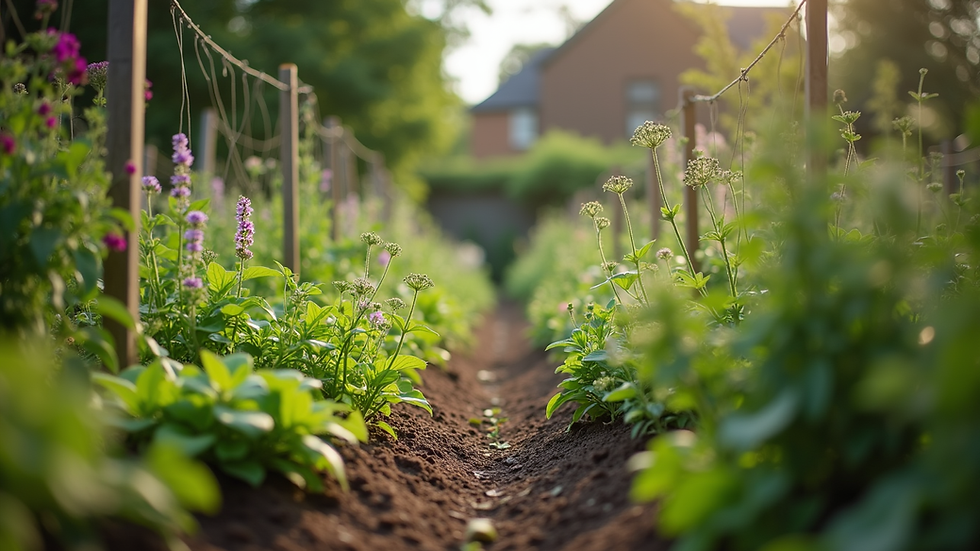
Community gardens: These not only provide fresh produce but also create green spaces for relaxation and socializing.
Public art projects: Residents can work together to beautify their surroundings, making the neighborhood more inviting.
Increased Civic Engagement
When residents collaborate, they become more engaged in local governance and community issues. This can lead to:
Higher voter turnout: Engaged communities are more likely to participate in elections.
Advocacy for local needs: Residents can collectively voice their concerns to local officials, leading to better representation.
Steps to Foster Community Collaboration
Identify Common Goals
The first step in fostering collaboration is to identify shared goals among residents. This can be done through:
Surveys: Distributing surveys to gather input on community needs and priorities.
Community meetings: Hosting gatherings to discuss issues and brainstorm solutions.
Build Relationships
Strong relationships are the foundation of effective collaboration. Here are some strategies to build connections:
Host social events: Organize potlucks, block parties, or game nights to encourage neighbors to mingle.
Create a neighborhood directory: A directory can help residents connect and share resources.
Leverage Local Resources
Many communities have resources available to support collaborative efforts. Consider:
Local nonprofits: Partnering with organizations that can provide expertise or funding for community projects.
City programs: Many municipalities offer grants or support for neighborhood initiatives.
Implement Projects
Once goals are established and relationships built, it’s time to implement projects. Here are some ideas:
Community clean-up days: Organize events to clean parks, streets, or public spaces.
Skill-sharing workshops: Residents can teach each other valuable skills, such as gardening, cooking, or home repair.
Case Studies of Successful Community Collaboration
Example 1: The Community Garden Initiative
In a small urban neighborhood, residents noticed a lack of green space. They came together to create a community garden. This initiative not only provided fresh produce but also served as a gathering place for residents. The garden became a hub for workshops, social events, and even a source of pride for the neighborhood.
Example 2: The Neighborhood Watch Program
In a suburban area facing rising crime rates, residents formed a neighborhood watch program. By collaborating with local law enforcement, they organized training sessions and established communication channels. As a result, crime rates decreased, and residents felt safer in their homes.
Overcoming Challenges in Community Collaboration
While community collaboration has many benefits, it can also face challenges. Here are some common obstacles and how to overcome them:
Lack of Participation
Not all residents may be interested in participating. To encourage involvement:
Promote the benefits: Clearly communicate how collaboration can improve the neighborhood.
Make it accessible: Offer events at different times and locations to accommodate various schedules.
Conflicting Interests
Different residents may have varying priorities. To address this:
Facilitate open discussions: Create a safe space for residents to voice their opinions and negotiate solutions.
Focus on common ground: Identify shared interests that can unite residents, even if they have differing views on other issues.
The Role of Local Government
Local governments can play a crucial role in fostering community collaboration. Here are some ways they can support residents:
Provide funding: Grants for community projects can help kickstart initiatives.
Offer training: Workshops on community organizing or conflict resolution can empower residents.
Facilitate connections: Local officials can connect residents with resources and organizations that can assist their efforts.
Conclusion
Building stronger neighborhoods through community collaboration is not just a lofty ideal; it is a practical approach that can lead to tangible benefits. By working together, residents can enhance safety, improve quality of life, and increase civic engagement. The journey begins with identifying common goals, building relationships, and leveraging local resources.
As you consider how to strengthen your neighborhood, remember that every small effort counts. Start by reaching out to your neighbors, organizing a simple event, or even just having a conversation. Together, you can create a thriving community that supports and uplifts everyone.
Call to Action
What steps will you take to foster collaboration in your neighborhood? Share your ideas and experiences in the comments below!


Comments